01 — My roots
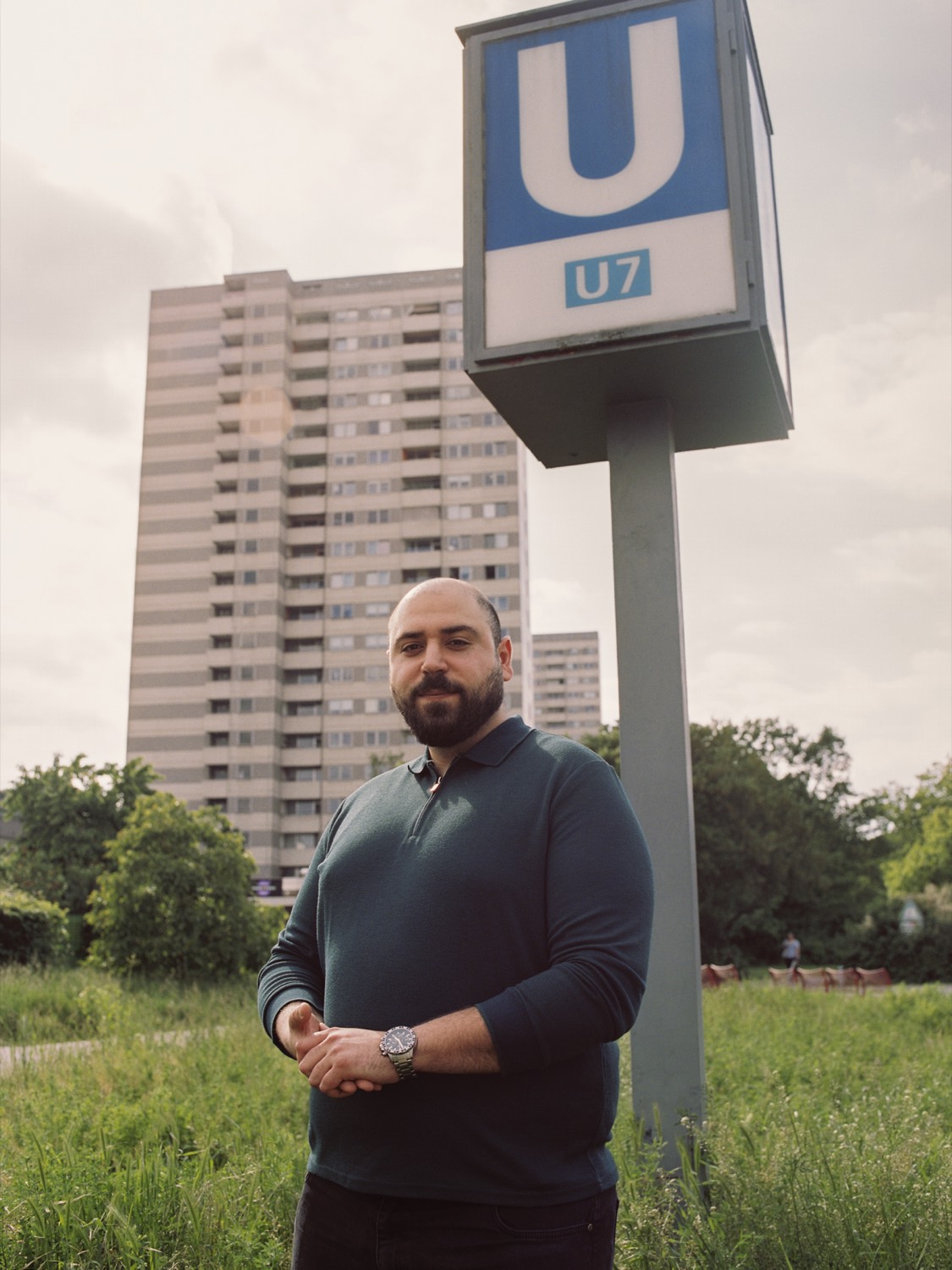
I grew up here in south Neukölln and I know our reality first-hand. My Kiez (neighbourhood) stretches from the Grundschule am Teltowkanal, the primary school in Britz, all the way to the Hannah-Arendt-Gymnasium in Rudow. All my friends are here, my family is here, and so are a great many warm-hearted, hard-working neighbours who look out for one another. My parents had to work hard all their lives, too. My father first as a steelworker, but for most of his working life as a service worker at the BVG (Berlin's public transport operator) — my mother as a cleaner at a special-needs school.
You can imagine that money was often tight in our home. I remember school trips that I could not go on, along with several of my friends, and far too many families who could not afford tutoring even though their child was struggling at school. Twenty years on, I still see every day how many children and families here share exactly the same fate.
02 — What shaped me
These circumstances meant that I started grappling with questions of racism, justice and social inequality at an early age. By the time I finished my Abitur (the German school-leaving exams) at the Hannah-Arendt-Gymnasium, my parents were already too old to work, and like so many pensioners in Germany their pension was barely enough to live on. So from early on I worked all kinds of jobs to support them — in a supermarket, as a delivery driver, in an office or behind the wheel. That time shaped me deeply, because I had to find out first-hand how most people in our society are doing: we work long and hard, and still there is not enough money left at the end of the month.
03 — My path
In 2015 I joined DIE LINKE, and since then I have worked in a number of political organisations on issues such as anti-racism, social justice, education and young people, international politics, and asylum and migration law. Alongside my industrial engineering degree I gave private tuition on a regular basis — that now adds up to more than nine years of working with children and young people. On top of that, over the past ten years I have had the privilege of gaining political and diplomatic experience at state and federal level, and for more than a year I have been working in the team of our Neukölln member of the Bundestag (the German federal parliament), Ferat Koçak, where we fight every day for our people and for a better life in Neukölln.
Besides politics I am passionate about philosophy and culture, but I am also a huge sports fan — a proud supporter of our Berlin Bears (GO BEARS!) and for many years a player and referee myself at DJK SW Neukölln. I love spending time with my mother, who has just turned seventy-two, and I have lived in the same block of flats in Britz for over thirty years. That building is also where my hope for a neighbourhood built on solidarity comes from: whether my neighbours are Erika, Musa or Herr Lehmann — every one of them has shown me what people standing together looks like, and why it matters to stand up for one another.
04 — Where I stand
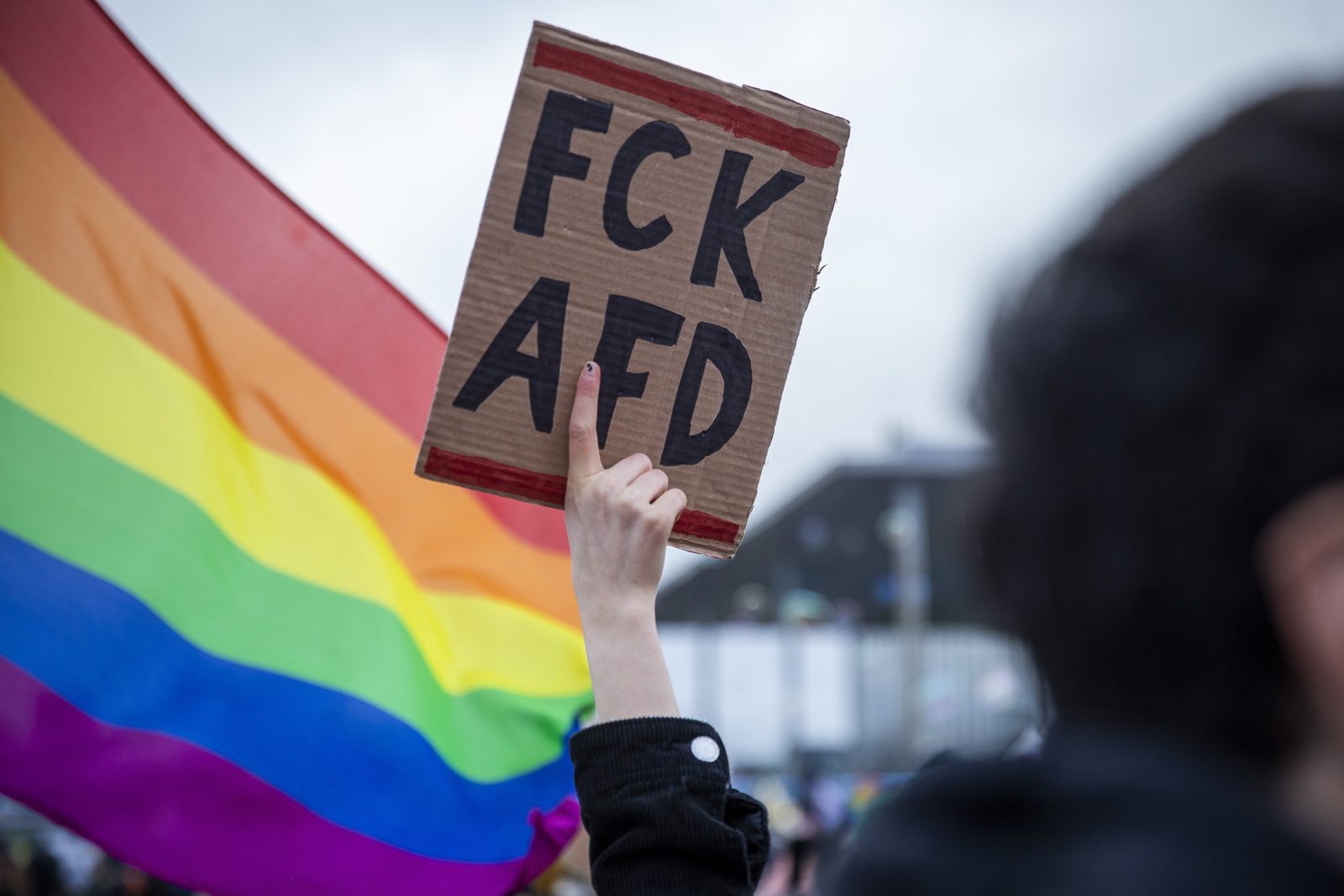
One of them was Tante Uschi. She defended my family without ever backing down, whenever the neighbour on the third floor called the police again although there had been no noise at all. Time after time she put herself in the way, without a moment's hesitation. She was eight years old when the Nazis were in power in Germany, and she told me all of it: how cruel those dark years were, and what unimaginable difficulties they had to overcome to protect her grandmother, who was Jewish. Shortly before she died, I promised her that I would stand against hatred, agitation and racism with everything I have
— first and foremost against the AfD!
And our greatest weapons in that fight are diversity, solidarity and honest politics!
I am fighting for a Neukölln built on solidarity and open to the world — for everyone who comes after us, and for Tante Uschi!
Our home
Our constituency – our home
Gropiusstadt, Buckow-Nord and the northern Blumenviertel. This is where our families live, some of them for generations; our neighbours, who look out for one another; and our children and young people, growing up on the same playgrounds and in the same clubs as I did and as the generation before them. This is our home – we love it, but we also know it. And we agree on one thing: quite a few things have to get better!
These people are not distant statistics — they are our neighbours. So let us take a closer look, one neighbourhood at a time.
Gropiusstadt
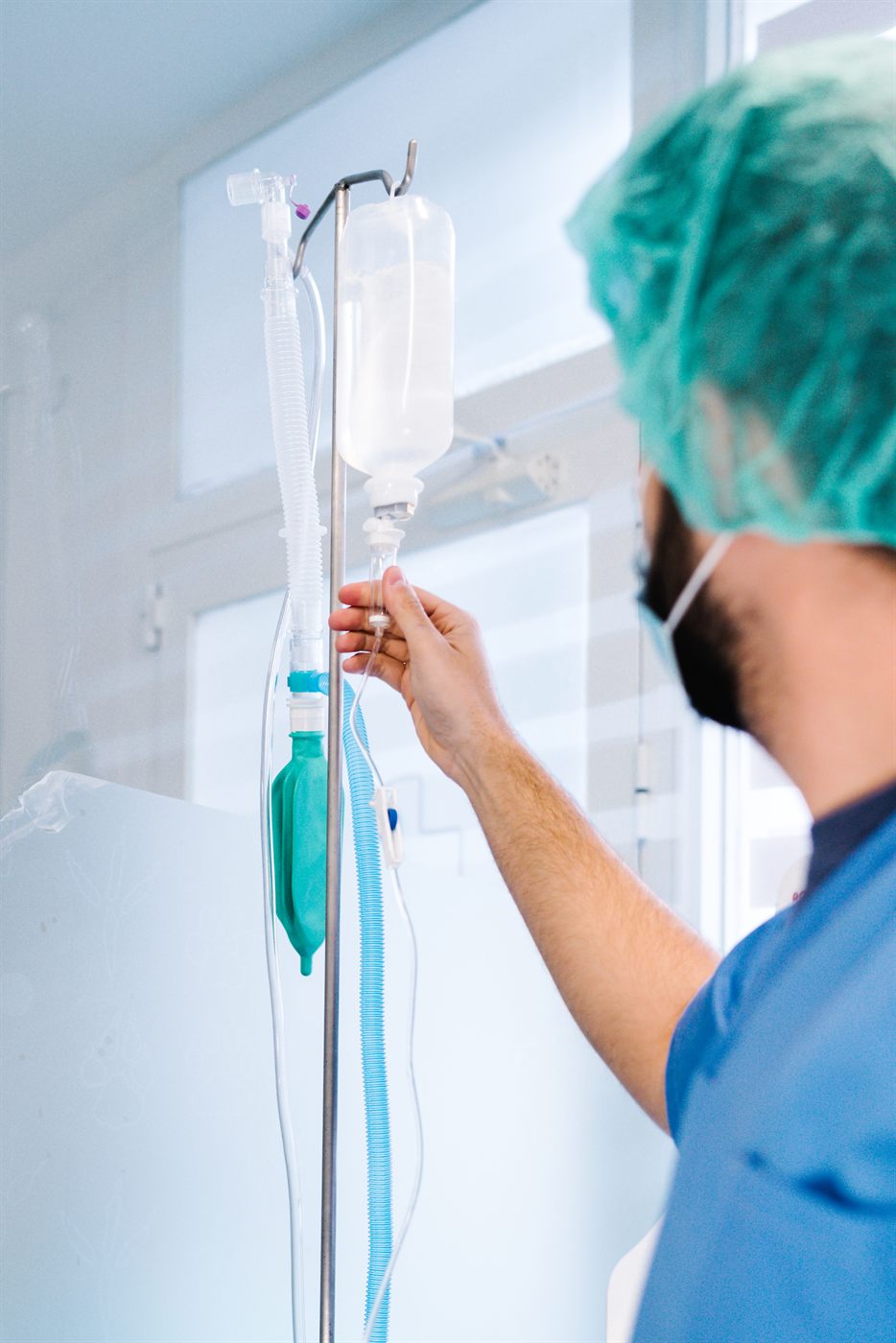
of the children in Gropiusstadt are growing up in poverty — more than one child in three.
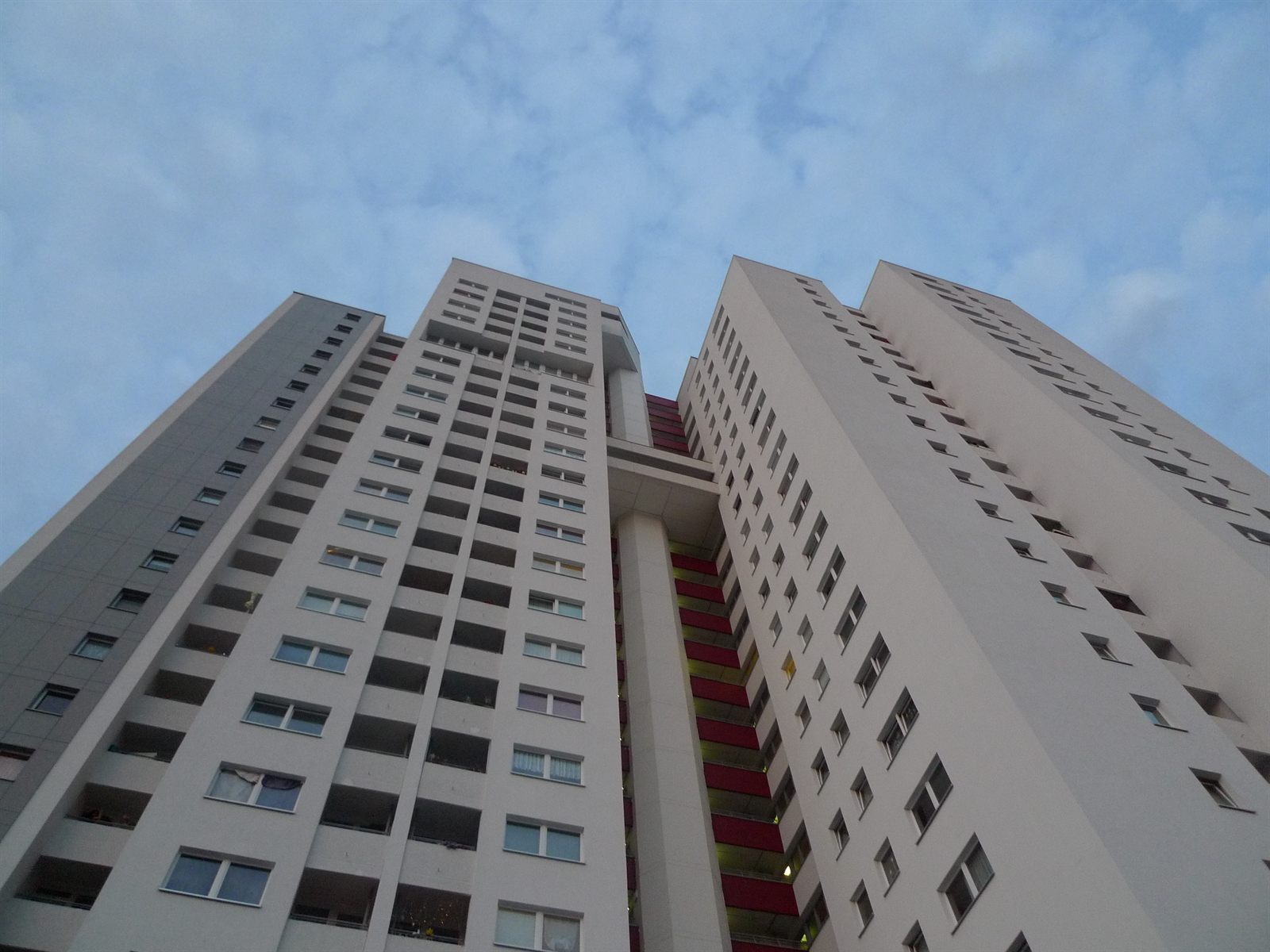
Around 39,000 people live in Gropiusstadt, in the tower blocks around Lipschitzallee and the U7. Many parents work shifts, in retail or in care — and still the money often does not stretch to the end of the month.
Parents who go hungry themselves so that their children have enough to eat. Families who turn the heating down in winter because they dread the bill. These are not just numbers in a poverty report — these people live here, right among us. They are our neighbours. They are us.
And what is the black-red coalition (CDU and SPD) doing? It is cutting in exactly the places where help is needed most — schools, youth clubs and neighbourhood work. Despite rising pupil numbers, the 2026/27 double budget plans 60 million euros less for education and cuts back on youth services and the boroughs. As far back as 2009, the Senat warned in its own report about the “slums of the 21st century” that could emerge here — and today the red pen is still being taken to the poorest of all. These children need real investment, not Sunday speeches.
Buckow-Nord
a month less was what the staff of the Vivantes subsidiaries took home — for exactly the same work as their colleagues in the parent company.
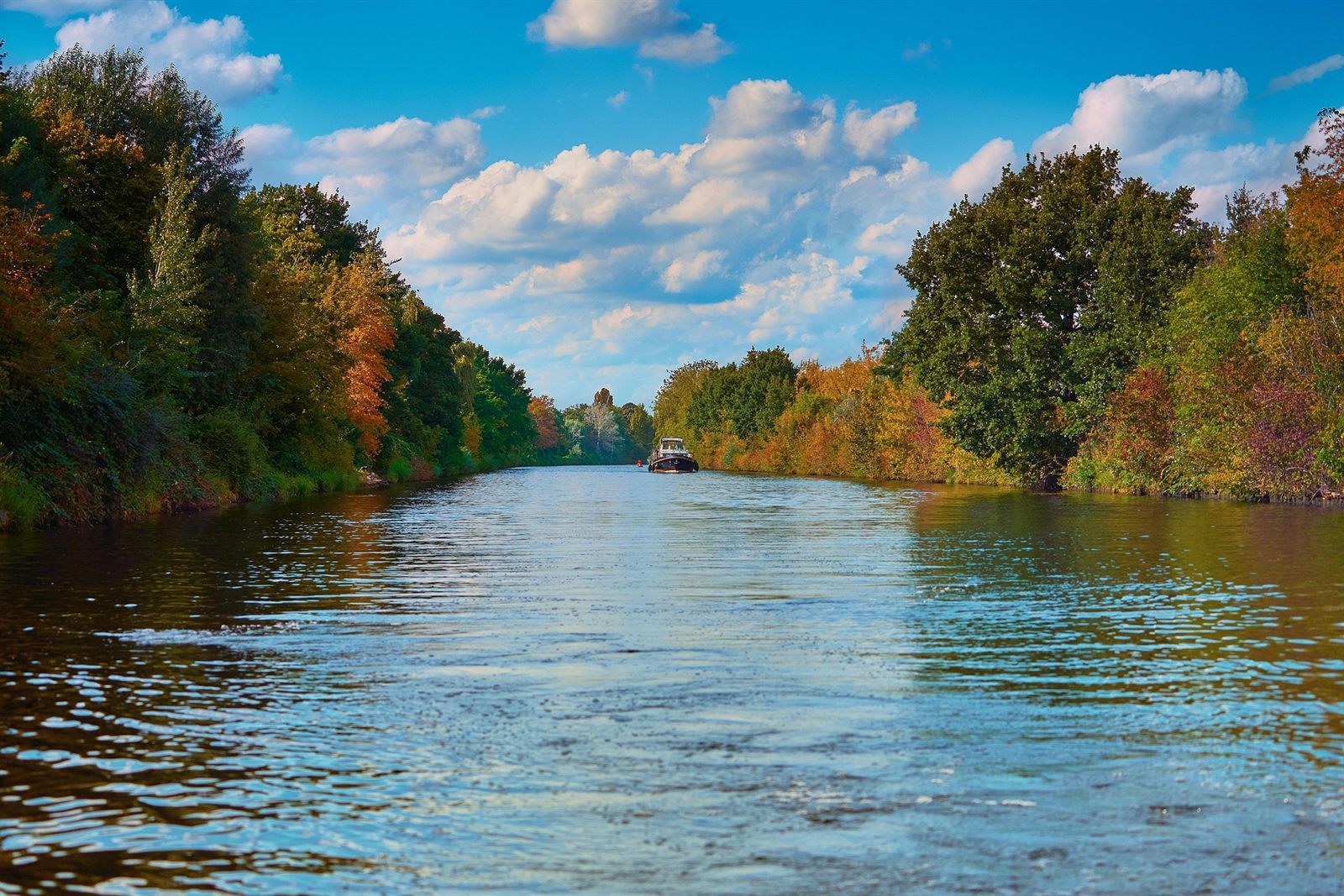
North of Gropiusstadt, around the Vivantes Klinikum Neukölln and stretching to the Teltowkanal, lies a green and mixed part of our constituency — with allotment gardens and quiet residential streets.
Right in the middle stands one of the largest hospitals in Germany. Thousands of people from Neukölln are treated here, and thousands work here — in nursing, in cleaning, in the kitchens and in transport. People who nurse others back to health and keep the whole place running, while they themselves are at breaking point.
In 2026, the roughly 2,200 employees of the outsourced Vivantes subsidiaries had to strike for more than two months, simply to get equal pay for equal work at long last. They were earning up to 1,000 euros a month less than their colleagues in the parent company. The state of Berlin owns that company, and for a long time it looked on instead of living up to its responsibility.
And this is no isolated case: while savings are being squeezed out of the health service at every turn, the state keeps its own hospitals waiting for urgently needed investment — and the price is paid by the very people who keep things running. Health and care are part of Daseinsvorsorge, the essential public services we all rely on, and must never be a question of balancing the books. Anyone who nurses people back to health deserves fair pay, enough colleagues on the ward and a hospital that is not run into the ground by cuts.
Northern Blumenviertel
That is how far the funding for the emergency pumping of the wells in the Blumenviertel reaches. The permanent solution planned via the Johannisthal waterworks is not due to be up and running before 2030/31.
In the Blumenviertel people live in detached, semi-detached and terraced houses, with small blocks of flats in between — owners and tenants alike. Many of them built a home here with their savings. For more than 20 years they have been battling rising groundwater: wet cellars, damp foundations, damage that gets more expensive every year. Around 2,250 houses are affected.
The cause is well known: until the 1990s the Johannisthal waterworks kept the groundwater level low. Since extraction was scaled back, the water has been rising. The emergency wells on Glockenblumenweg were switched off in June 2022 and the water promptly came back. Today only an emergency operation is running, and it is funded until 2027. The real solution via Johannisthal is not expected before 2030/31. That gap is leaving people out in the rain right now. The state of Berlin has to fund the emergency operation without a single break until the permanent solution is running, and it has to put forward a binding timetable for Johannisthal. The people in the Blumenviertel need a credible prospect at last, and politics that protects their interests.

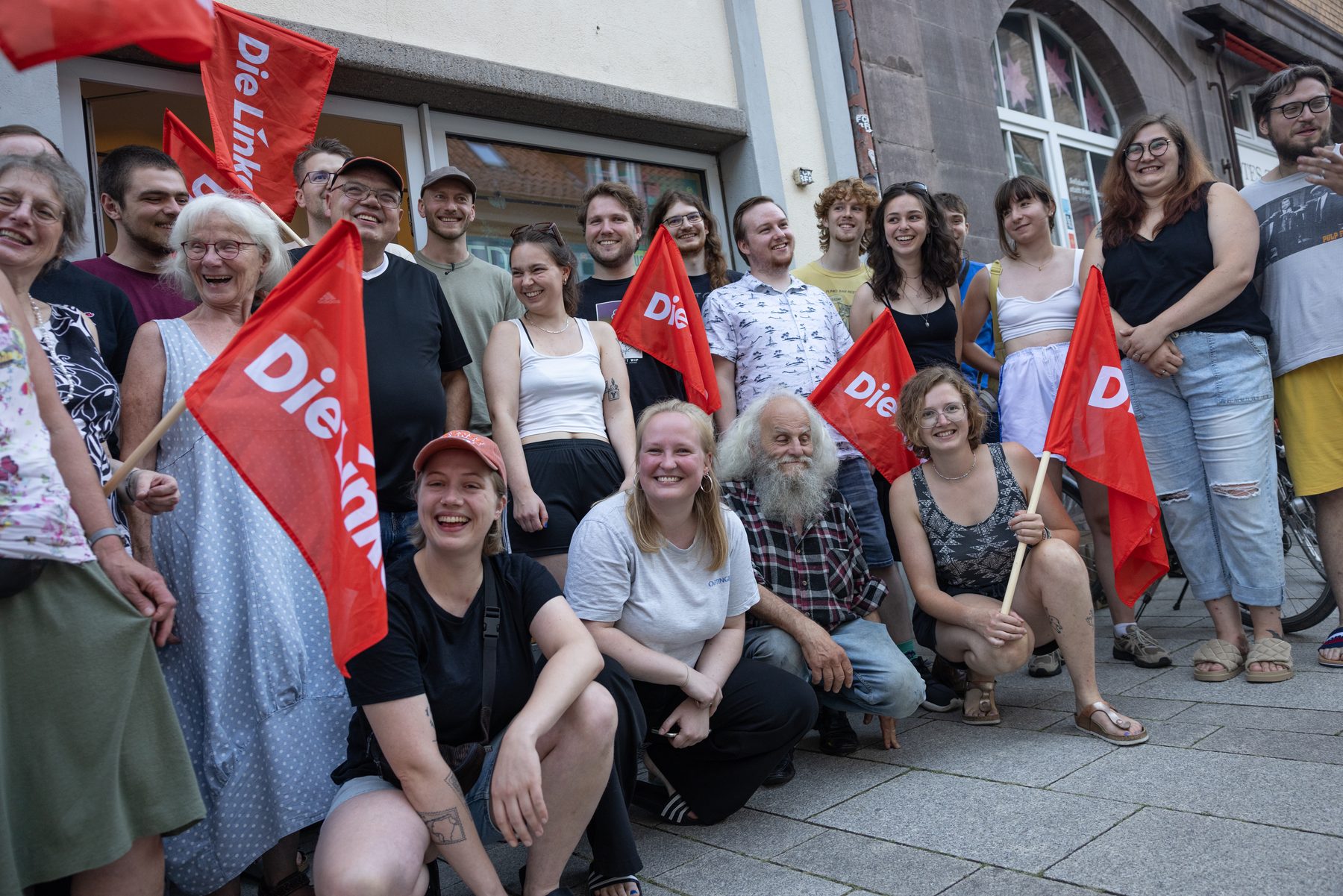
 DIE LINKE Neukölln